
Top AI Technologies for Software Development in 2025
An overview of the most impactful AI technologies transforming software development — from machine learning and NLP to computer vision.
What Are AI Technologies?
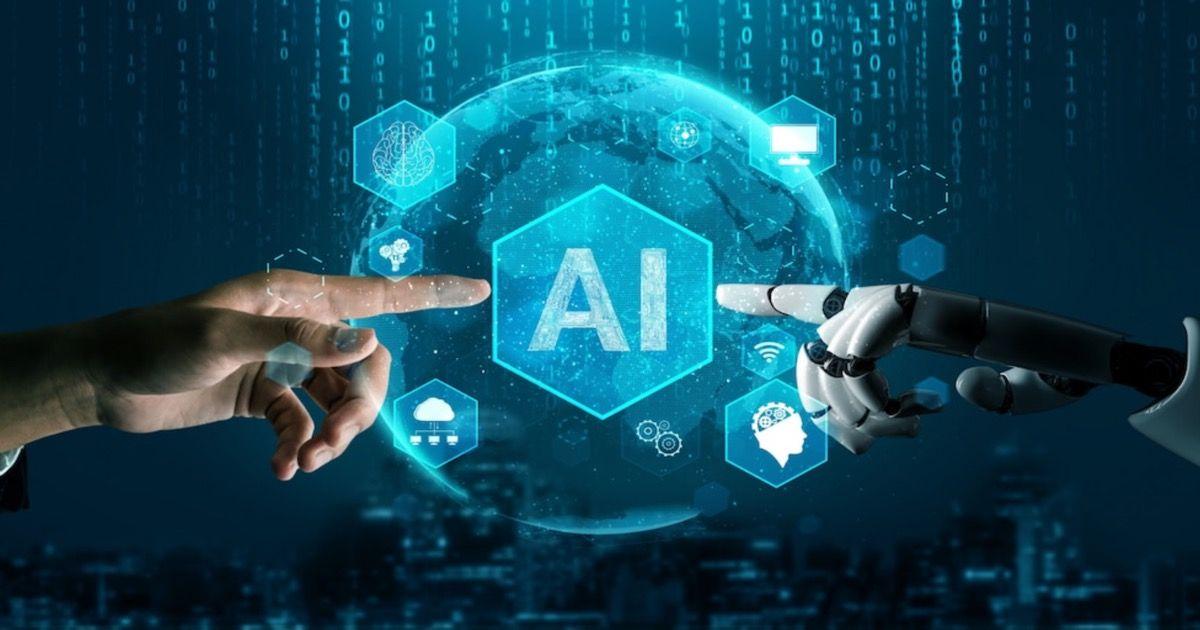
AI technologies represent advanced methods and tools that enable software systems to perform tasks typically requiring human intelligence. These capabilities include learning, adaptation, data analysis, and predictive functions — valuable across finance, healthcare, retail, and manufacturing.
How Do AI Technologies Work?
The AI development process involves three primary stages:
- Data Collection and Preparation — Gathering and organizing data for model training
- Model Training — Teaching algorithms to recognize patterns and make predictions
- Deployment and Continuous Learning — Implementation in production with ongoing adaptation
Main Types of AI Technologies
Machine Learning (ML)
Algorithms that learn from historical data to make predictions and recommendations. ML powers everything from recommendation engines to fraud detection systems.
Deep Learning
Neural networks capable of processing complex unstructured data like images, audio, and natural language. Deep learning drives advances in speech recognition, image classification, and generative AI.
Natural Language Processing (NLP)
Enables machines to understand, interpret, and generate human language. NLP powers chatbots, sentiment analysis, document summarization, and translation services.
Computer Vision
Systems that interpret visual data from images or videos. Applications include quality inspection in manufacturing, medical imaging, autonomous vehicles, and security surveillance.
Key Features of Modern AI
- Task automation — Eliminating repetitive manual work
- Predictive analytics — Forecasting trends and outcomes from data
- Personalized experiences — Tailoring interactions based on user behavior
- Scalability — Handling growing data volumes without proportional cost increases
- Self-improvement — Models that get better with more data and usage
Tech Stack for AI Implementation
| Category | Tools |
|---|---|
| Languages | Python, R, JavaScript |
| ML Libraries | TensorFlow, Keras, Scikit-learn, PyTorch |
| NLP Tools | SpaCy, NLTK, Google Dialogflow |
| Computer Vision | OpenCV, YOLO, Google Vision AI |
| Data Storage | Apache Hadoop, MongoDB, PostgreSQL |
| Cloud Platforms | AWS AI, Google Cloud AI, Microsoft Azure AI |
Advantages of AI in Software Development
Enhanced Decision-Making
AI analyzes large datasets to provide actionable insights, enabling faster, more informed decisions. E-commerce companies use predictive analytics for demand forecasting and inventory optimization.
Cost Reduction
Automation of manual tasks reduces operational costs while freeing human resources for strategic initiatives. This particularly benefits manufacturing and customer service sectors.
Personalized User Experiences
AI analyzes user data and behavior patterns to deliver tailored interactions. Streaming platforms employ recommendation engines for personalized content. E-commerce sites show relevant products based on browsing history.
Scalability
AI solutions accommodate increased data volumes and user requests without proportional cost increases — ideal for rapidly growing businesses or seasonal demand fluctuations.
Continuous Improvement
Models improve through each interaction, learning from new data to deliver increasingly accurate predictions and insights over time.
Steps to Build an AI Solution
- Define business objectives and identify where AI adds the most value
- Collect and clean relevant training data
- Select appropriate algorithms and frameworks for your use case
- Conduct rigorous testing and validation against real-world scenarios
- Deploy and monitor performance with regular adjustments
Implementation Costs
AI solution development typically ranges from $50,000 to $500,000+, depending on complexity, data requirements, and customization needs. Starting with a focused pilot project helps validate the approach before committing to larger investments.
Looking Ahead
AI technologies will continue advancing through algorithmic improvements, enhanced data processing, and more powerful hardware. Organizations adopting AI now will be better positioned to navigate future market shifts as these technologies become increasingly accessible and capable.
The key is starting with a clear business problem, choosing the right technology for that specific challenge, and iterating based on results.